Cricket is a popular sport played between two teams of 11 players each. The game is played on a circular field with a 22-yard pitch in the center. One team bats while the other bowls and fields, aiming to score more runs than the opponent. Runs are scored by hitting the ball and running between the wickets or by hitting the ball to the boundary for fours (4 runs) and sixes (6 runs). The bowling team tries to dismiss batsmen through various methods like bowled, caught, LBW, run out, and stumped. A match consists of a set number of overs (6 balls per over) and can be played in different formats like Test (5 days), One Day (50 overs), and T20 (20 overs). The team with the highest runs at the end of the game wins. If scores are tied, special rules like a Super Over may decide the winner. Cricket requires a mix of batting, bowling, fielding, and strategy, making it an exciting and skillful game.
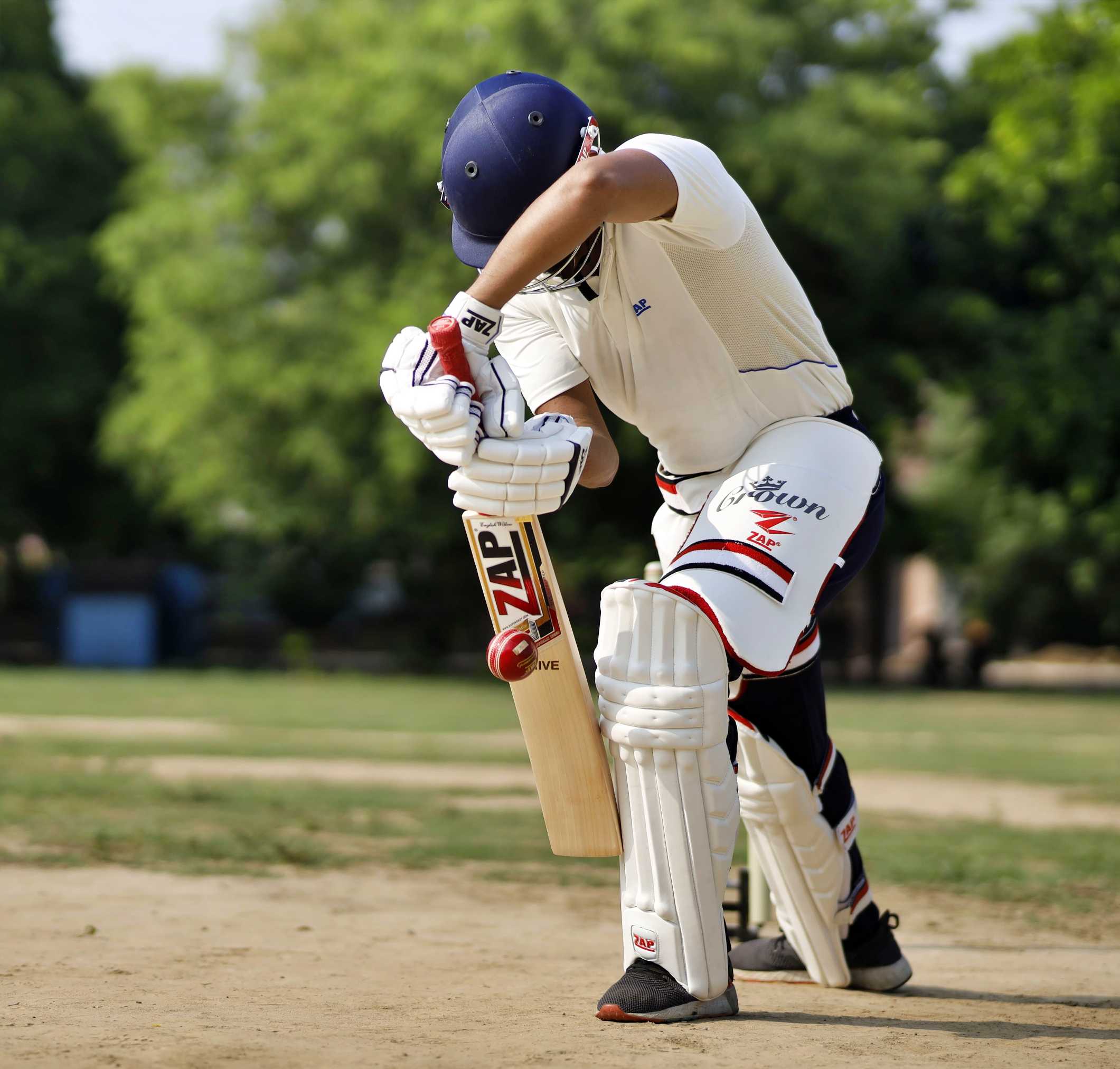
The batsman’s goal is to score runs and avoid getting out. The bat is made of willow wood and has a flat surface. A batsman can score runs by: Running between wickets (1, 2, or 3 runs). Hitting boundaries (4 runs if the ball touches the ground before the boundary, 6 runs if it crosses the boundary without touching the ground). Common batting shots: Drive – Straight hit along the ground. Pull & Hook – Hit towards the leg side. Cut & Square Drive – Hit towards the off-side. Sweep & Reverse Sweep – Played against spinners. A batsman is dismissed in ways like bowled, caught, LBW, run out, and stumped.
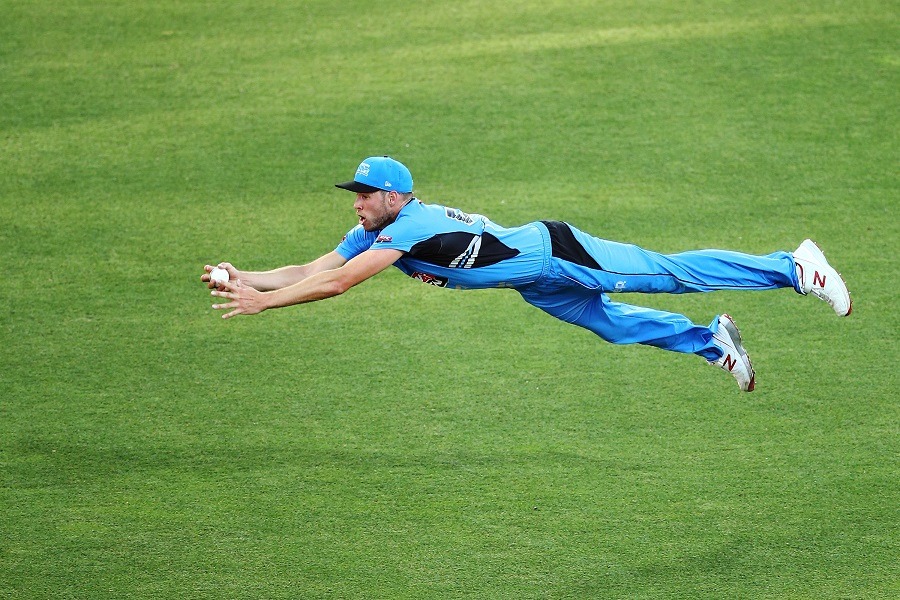
Fielders aim to stop runs and take catches to dismiss batsmen. Positions are spread across the field, including: Close fielders – Near the batsman (e.g., slip, short leg). Outfielders – Near the boundary (e.g., deep cover, long-on). Wicketkeeper – Stands behind the stumps to catch the ball. Fielders must react quickly and use throwing accuracy to prevent runs or execute run-outs. Good fielding involves diving, catching, and sharp reflexes to assist bowlers.
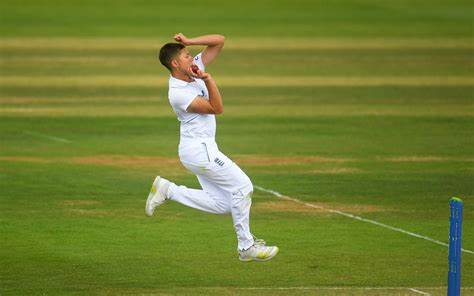
Types of Bowling 1. Fast Bowling ⚡ Fast bowlers rely on speed and movement to trouble batsmen. They usually bowl at speeds of 130-160 km/h (80-100 mph). Swing Bowling – The ball moves in the air due to conditions and grip. Inswing – Moves towards the batsman. Outswing – Moves away from the batsman. Seam Bowling – The ball moves unpredictably after hitting the pitch due to the seam position. Yorker – A full-length delivery aimed at the batsman’s toes, difficult to hit. Bouncer – A short-pitched delivery that bounces high towards the batsman. Slower Ball – A disguised delivery with reduced speed to deceive the batsman. 2. Spin Bowling 🎭 Spin bowlers use wrist or finger movements to turn the ball, making it difficult for the batsman to predict its movement. Off-spin – Spins from the off-side to the leg-side for a right-handed batsman. Key variation: Doosra (turns the opposite way). Leg-spin – Spins from the leg-side to the off-side for a right-handed batsman. Key variation: Googly (turns the opposite way). Top-spin – The ball dips and bounces higher. Arm Ball – A straight delivery with no turn. Bowling Rules & Restrictions A bowler cannot throw the ball (must keep their elbow straight). Fast bowlers and spinners must follow over limits in limited-overs cricket (e.g., 10 overs per bowler in ODIs). A bowler can bowl a no-ball if: Their front foot crosses the crease. They bowl above the waist without bouncing. A wide ball is given if the ball is too far from the batsman to reach. Bowling Strategy New ball bowlers use speed and swing to get early wickets. Spinners control the game in the middle overs by creating pressure. Death over specialists bowl Yorkers and slower balls to limit runs in the final overs. Bowlers use field placements and variations to deceive batsmen.
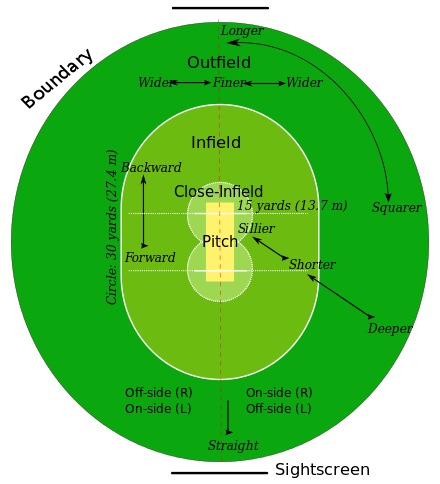
The playing field is circular or oval-shaped, covered with grass. The pitch is a 22-yard strip in the center where bowling and batting occur. The wickets at both ends consist of three stumps and two bails. Important markings on the ground: Crease lines – Batting and bowling creases mark safe zones for players. Boundary – The outer edge of the field, beyond which runs are scored as fours or sixes. Ground conditions affect the game, with some pitches favoring fast bowlers, spinners, or batsmen based on their texture and weather.